


Za'atar: The Wild Thyme of Palestine and Its History
On the limestone hills of Palestine, a low grey-green herb has been gathered by hand for longer than any written record of the land. That herb is za'atar, in Arabic زعتر, and the word names two things at once: the wild plant that grows between the rocks, and the spice blend that Palestinian families make from it. To understand za'atar is to understand how a single plant became a daily ritual, a marker of belonging, and one of the most recognized flavors of Palestinian heritage.
TL;DR
Za'atar is both a wild herb native to Palestine, Origanum syriacum, often called Syrian oregano or Bible hyssop, and the spice blend made from it. The traditional blend is dried za'atar leaves, sumac, toasted sesame seeds, and salt. Palestinians eat it most often as man'oushe: a flatbread spread with za'atar and olive oil and baked. Beyond the kitchen, za'atar carries deep meaning. It grows wild on land families have foraged for generations, and since 1977 that foraging has been restricted under Israeli law, which turned a daily act into a contested one.
What Is Za'atar?
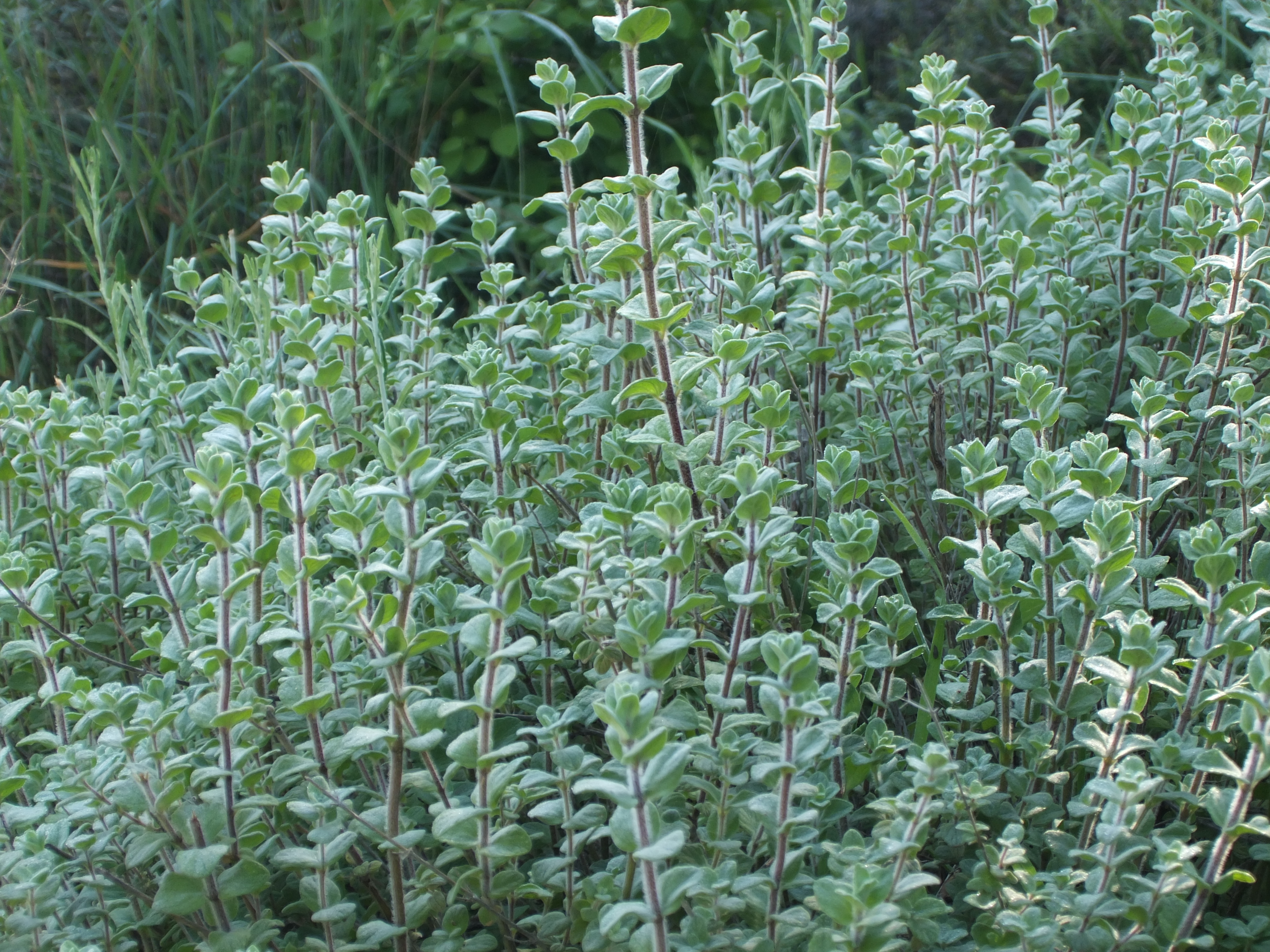
Za'atar is, first, a plant. The herb most often meant by the word is Origanum syriacum, a perennial in the mint family that botanists also call Syrian oregano and that is widely identified with the hyssop of antiquity. It grows wild across the hills of Palestine and the wider Levant, thriving in dry, rocky soil where little else takes hold.
Za'atar is also a blend. Dried and crushed za'atar leaves are mixed with sumac for tartness, toasted sesame seeds for body, and salt. The proportions are not fixed. Families guard their own ratios, and a person can often place where a blend was made by its color and its sourness. That variation is the point: the blend is personal before it is commercial.
The flavor sits somewhere between thyme, oregano, and marjoram, which is why no single English herb translates it. Za'atar is not a substitute for thyme. It is its own thing, grown in its own place.
Origins of Za'atar
Za'atar belongs to one of the oldest food cultures in the region. The plant is woven through the texts of antiquity: the hyssop named in ancient scripture is commonly identified by botanists with Origanum syriacum, the same herb gathered on Palestinian hillsides today. Long before refrigeration or trade routes, drying wild herbs was how a household preserved the taste of the hills through the year.
The herb also carries a long-held folk belief that it sharpens the mind. Across Palestinian homes, children have been fed za'atar and bread before a day of study or an exam, in the conviction that it strengthens memory and concentration. Whether or not the chemistry holds, the custom shows how thoroughly the plant is folded into ordinary life, from the schoolroom morning to the field at dusk.
Like the olive tree, za'atar is a plant of patience and place. It is not planted in neat rows so much as known: where it grows, when it is ready, how much to take and how much to leave.
What Za'atar Represents
- A connection to the land. Za'atar has long been gathered from the wild, not only grown in gardens. Foraging it means walking the same slopes that earlier generations walked, reading the season in the plants. That direct contact with the soil is rare in modern food, and it is exactly what gives za'atar its weight as a heritage plant, much like the sabbar cactus that marks the edges of old village land.
- A tradition under pressure. In 1977, za'atar was designated a protected plant under Israeli law, and foraging it in the wild was made a punishable offense. A related wild green, akoub, was added to the protected list in 2005. Researchers have documented Palestinians being fined and detained for gathering the herb their families always gathered. The stated reason was over-harvesting; the effect was to criminalize an everyday act of belonging.
- The everyday table. Za'atar is not reserved for celebrations. It is breakfast. A blend, a bowl of olive oil, warm bread, and a pot of tea is the most ordinary morning in much of Palestine, and that ordinariness is its power. A food eaten every day becomes inseparable from who a people are.
- A marker of home. For Palestinians in the diaspora, the smell of za'atar toasting in oil is shorthand for a place many cannot return to. It travels in suitcases and crosses borders. It is one of the wild plants of these same hills, alongside the native flowers of Palestine, that carry the memory of the land outward.
Za'atar on the Table
The most familiar form of za'atar is man'oushe, sometimes written manaqish: a round of dough spread with za'atar mixed into olive oil, then baked until the edges crisp. It is sold from bakeries at dawn and made at home on a saj griddle. Paired with the land's other great staple, the olive, it is a complete meal from two wild gifts of the same hills.

Beyond bread, the blend is folded into labneh, scattered over white cheese, stirred into oil for dipping, and rubbed onto vegetables before roasting. The Jaffa table that gave the world the Jaffa orange set za'atar beside it as a matter of course. Where olive oil is the fat of the Palestinian kitchen, za'atar is its most constant seasoning.

Frequently Asked Questions
What is za'atar made of?
The traditional Palestinian blend is dried za'atar leaves (Origanum syriacum), sumac, toasted sesame seeds, and salt. Ratios vary from family to family, and some blends add other dried herbs.
Is za'atar the same as thyme or oregano?
No. Za'atar is its own herb, Origanum syriacum, with a flavor between thyme, oregano, and marjoram. English has no exact equivalent, which is why the Arabic word is used directly.
Why is za'atar important to Palestinians?
It is a daily food and a foraged plant tied directly to the land, eaten at breakfast and carried into the diaspora as a taste of home. Its long history and its restriction under foraging laws have made it a quiet symbol of attachment to place.
Can Palestinians still forage za'atar?
Wild foraging has been restricted under Israeli law since 1977, when za'atar was declared a protected plant. Cultivated and store-bought za'atar remains widely available, and gathering continues across the wider region.
A Living Testament to the Land
Za'atar is not only a flavor. It is a record of how a people learned their hills by hand, season after season, and kept that knowledge alive at the breakfast table. A plant that grows for free between the rocks became, over centuries, one of the surest signs of home.
This article was written and fact-checked for FALASTIN by Jad Sahyoun, with the assistance of AI tools.
At FALASTIN, we aim to keep that heritage alive through our Symbols of Palestine collection.
100% of profits from FALASTIN are donated to the United Palestinian Appeal.